Discovering the World of Wine: Types, Grapes and Appellations of Origin

Welcome to our journey through the fascinating universe of wine. Today we will delve into the different types of wines, talk about the most emblematic grapes, not only from Spain but also from other countries, and explore the most prestigious Appellations of Origin worldwide. Whether you are a wine enthusiast or someone who is just starting to discover this millenary beverage, this vlog will give you a clear and enriching vision of the wide spectrum of options that wine offers.

Wine Types: More Than Just Variety

Wine has been part of human culture for more than 8,000 years, and today we find an amazing diversity of styles. Each type of wine has unique characteristics that define it, from its production method to the sensations it leaves on the palate.

Red wine: Its color comes from fermentation with the skins of red grapes, a process that also provides tannins, responsible for its body and structure. Red wines vary from light and fresh (such as a Beaujolais) to powerful and aged (such as the great Riojas or Riberas). An interesting fact is that some reds, especially aged reds, can improve with time, developing more complex and deeper nuances.

White wine: Produced mainly without the skin of the grape, which makes it a fresher and lighter option than red wines. White wines are usually fruity and floral, although they can also have mineral or woody notes, depending on their aging process. Surprisingly, some white wines such as Chardonnay can age as well as some reds, thanks to their acidity.

Rosé wine: Although often associated with young and fast-drinking wines, rosé has gained respect in recent years. This wine is ideal for those who are looking for the freshness of a white wine but with a touch of the fruity aromas of red wines. It is made by a short maceration of red grapes, which gives it its characteristic pink color.

Sparkling Wine: The king of celebrations. The production method of these wines includes a second fermentation in the bottle, which generates the bubbles that characterize them. French Champagne and Spanish Cava are iconic examples, and their complexity can vary from fresh and fruity to creamy and aged, depending on the time they have spent on their lees (yeast remains).

Wine aging

We continue with a topic that surely sounds familiar to you if you are a fan of good wine: the classification of wines according to their aging. On labels we see terms such as Joven, Crianza, Reserva or Gran Reserva, but do we really know what they mean? Let’s find out!

Young Wine: It is fresh, fruity and is drunk quickly, just after its production. Perfect for an informal meeting or light meals.

Crianza wine: Aged for two years, at least 6 to 12 years in barrels. It has more body and hints of wood and spices. Ideal for dinners with friends.

Reserva wine: It spends three years aging, at least one in barrel. It is more complex and powerful, perfect for more elaborate dishes.

Gran Reserva wine: This wine spends at least five years aging, with two in barrels. It is super elegant and concentrated, perfect for special occasions.

Appellations of Origin: Guarantee of Quality

The Denominations of Origin not only ensure the origin of the wine, but also the norms and standards that regulate its production. These are some of the most prestigious appellations in Spain and the rest of the world.

Spain

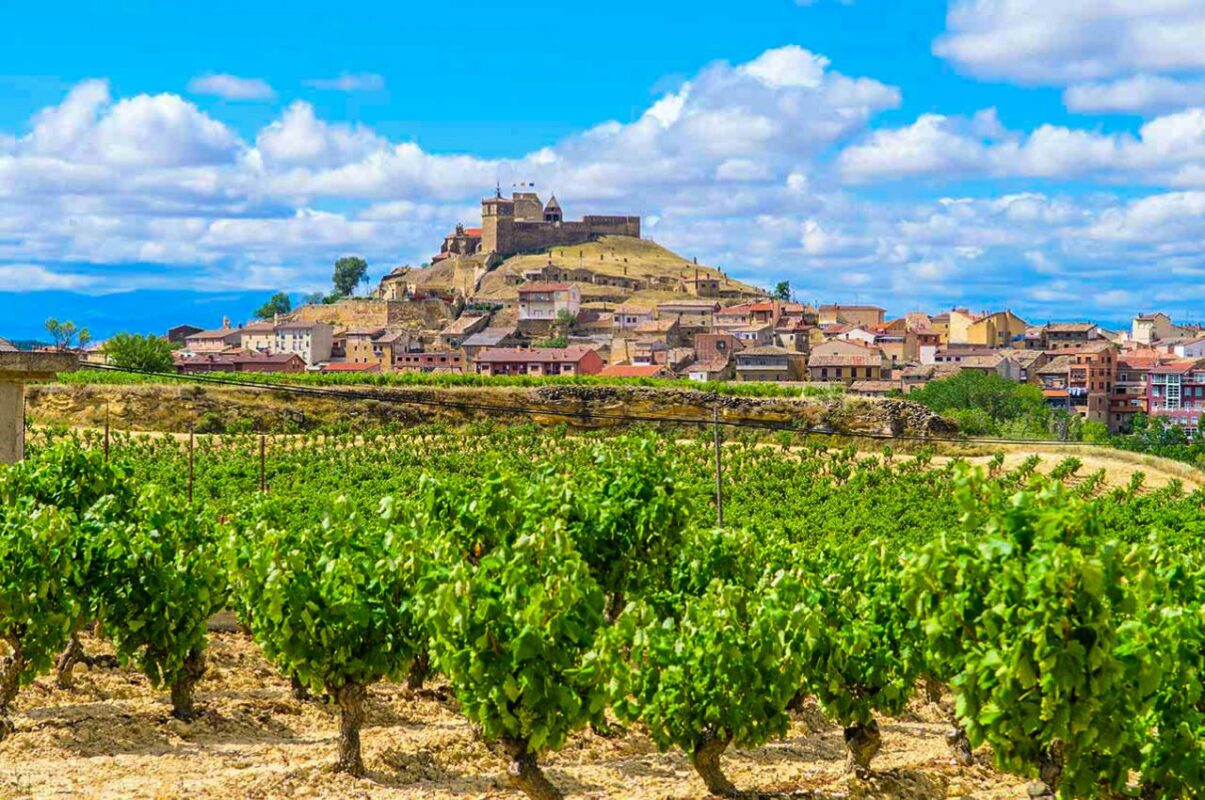
  • D.O.Ca. RiojaThe oldest Qualified Designation of Origin in Spain, famous for its red wines made from Tempranillo, Garnacha and other varieties. Its classification into “Crianza”, “Reserva” and “Gran Reserva” according to the aging time is highly respected.
  • O. Ribera del Duero: Recognized for its robust red wines, mostly made from Tempranillo grapes, known for their complexity and aging capacity.
  • O. Penedès: Famous for its sparkling wines such as Cava, but also produces a wide range of red and white wines, highlighting varieties such as Xarel-lo, Macabeo and Parellada.

D.O Rioja, La Rioja, Navarra

France

  • AOC Bordeaux: One of the most famous appellations in the world, home to some of the most expensive and prestigious wines, made mainly from Cabernet Sauvignon, Merlot and Cabernet Franc in reds, and Sémillon.
  • AOC Champagne: The region that gives its name to the most famous sparkling wine in the world. Champagne wines are made under the traditional method, with secondary fermentation in the bottle, and mainly use Chardonnay, Pinot Noir and Pinot Meunier grapes.
  • AOC Bourgogne (Burgundy): Famous for its exceptional Pinot Noir and Chardonnay wines, with sub-regions such as Côte d’Or producing wines of unparalleled terroir.

AOC Champagne, France

Italy

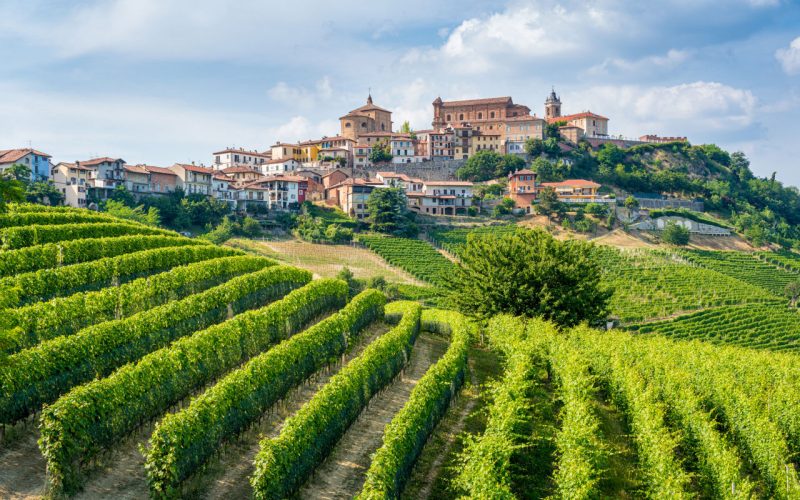
  • DOCG Barolo: Known as the “wine of kings”, Barolo is Piedmont’s most prestigious appellation and is made from Nebbiolo. Barolo wines require at least 3 years of aging before sale.
  • DOCG Chianti Classico: Located in Tuscany, this appellation is synonymous with wines made mainly from the Sangiovese grape, which stand out for their cherry, herbal and earthy flavors.

DOCG Barolo, Italy

The Most Emblematic Grapes: The Soul of Wine

Although grapes are not the only factor that determines the quality of a wine, they do play a fundamental role. Here are some of the most used and valued grapes in world viticulture.

Tempranillo (Spain): Queen grape of Spain, used in Rioja and Ribera del Duero wines. It contributes notes of red fruits, leather and spices, and has great aging potential.

Cabernet Sauvignon (France): Originating from Bordeaux and cultivated globally. Its firm tannins and blackcurrant flavors make it perfect for powerful wines with great cellaring capacity.

Pinot Noir (France): Delicate grape, mainly used in Burgundy. It produces elegant wines, with notes of cherry and earth, ideal for cool climates.

Malbec (Argentina): Although originally from France, it has established itself in Argentina, where it produces intense wines with plum and chocolate flavors.

Syrah/Shiraz (France/Australia): In France, Syrah produces spicy and robust wines; in Australia, Shiraz is fruitier, with hints of plum and chocolate.

Chardonnay (France): Versatile grape that gives rise to citric and fresh wines in Chablis, or more complex and creamy in areas such as California.

Riesling (Germany): White grape that produces aromatic and elegant wines, with high acidity, from dry to sweet, with great aging capacity.

Pairing: Elevating the Wine Experience

The perfect pairing can transform a meal. A good wine enhances the flavors of the dish and vice versa. Here are some key examples:

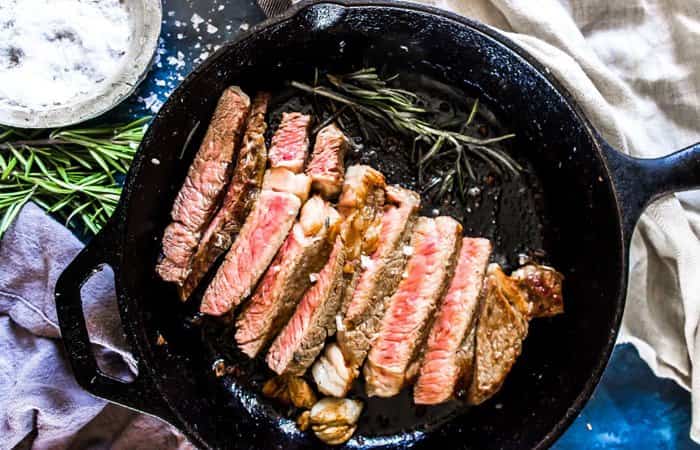
Full-bodied reds such as those from Ribera del Duero or Priorat pair wonderfully with grilled red meats or dishes with powerful sauces.

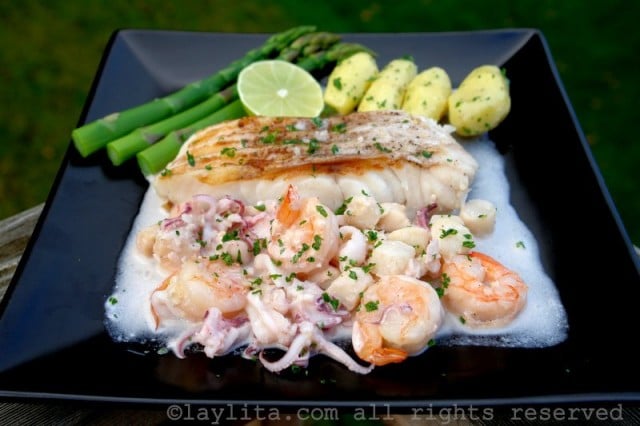
Fresh whites such as those from Rueda or Galician Albariños combine perfectly with seafood, fish and dishes with a citric touch.

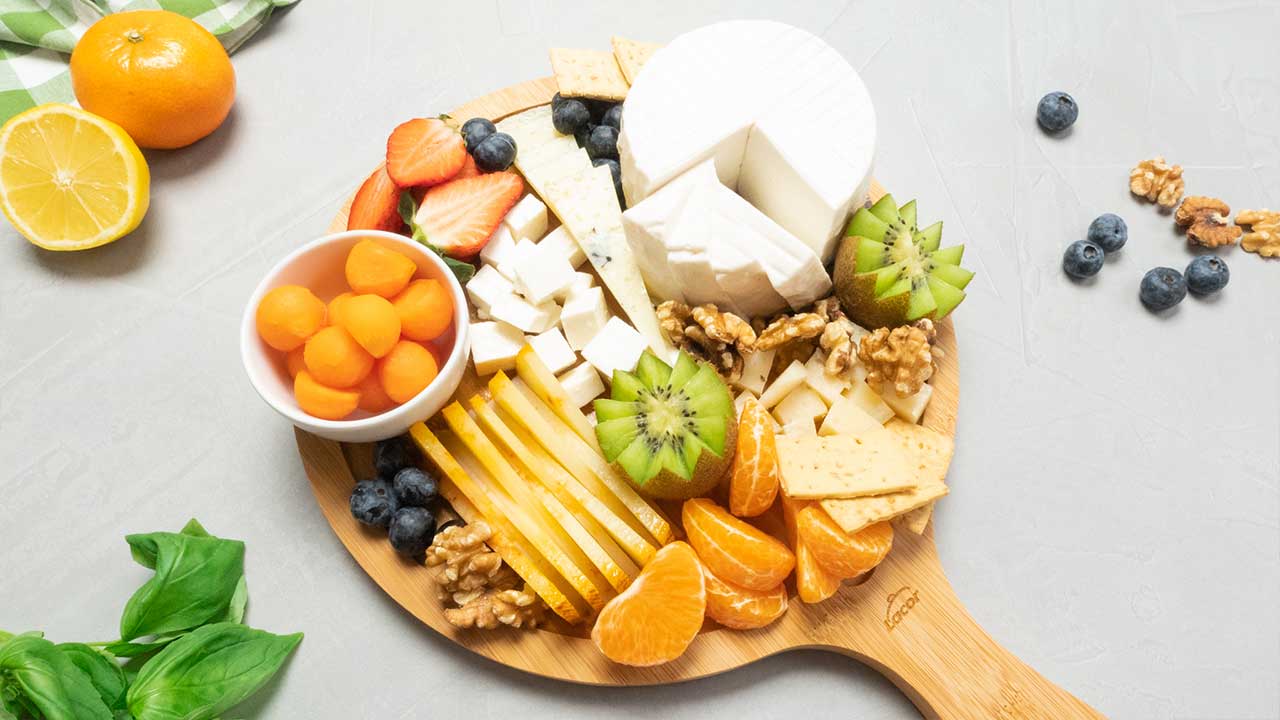
Sparkling wines are ideal for all kinds of appetizers, from soft cheeses to light fried foods.

The world of wine is as vast as it is exciting, and there is always something new to discover. From the great reds of Rioja to the fresh whites of Rueda, each bottle tells a unique story. So the next time you uncork a bottle, take a moment to appreciate not only the flavors, but also the journey the wine has taken to reach your glass. Cheers!

Comments

0 Comments Write a comment

Leave a comment